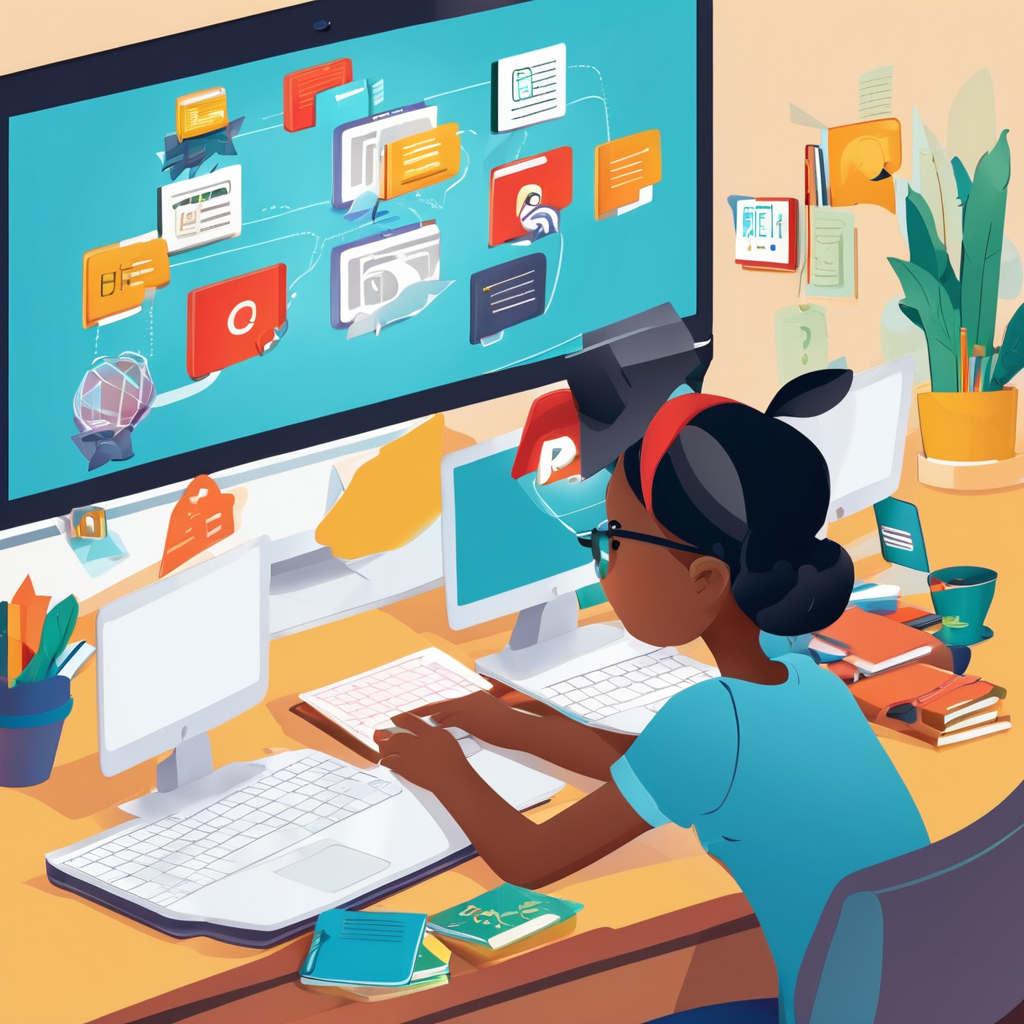
Online Learning K-12: Bridging Gaps and Shaping Futures
In the ever-evolving landscape of education, online learning has emerged as a powerful tool, particularly in the K-12 sector. The integration of technology into traditional classroom settings has revolutionized the way students engage with learning materials, interact with educators, and collaborate with peers. This paradigm shift has not only bridged geographical gaps but has also opened doors to a myriad of opportunities for students to shape their futures in ways previously unimaginable.
One of the key advantages of online learning in the K-12 segment is its flexibility. Students are no longer bound by rigid schedules or physical locations, allowing them to tailor their learning experience to suit their individual needs and preferences. This flexibility empowers students to take ownership of their education, fostering a sense of independence and self-motivation crucial for success in the digital age.
Moreover, online learning offers a diverse range of resources and tools that cater to various learning styles and abilities. From interactive multimedia lessons to virtual simulations and gamified activities, students have access to a wealth of engaging content that not only enhances their understanding of academic concepts but also fosters critical thinking, creativity, and problem-solving skills.
In addition to individualized learning experiences, online platforms facilitate collaborative opportunities that transcend traditional classroom boundaries. Through virtual classrooms, discussion forums, and group projects, students can connect with peers from diverse backgrounds, cultures, and perspectives, enriching their learning experience and nurturing essential skills such as communication, teamwork, and empathy.
Furthermore, online learning in the K-12 sector has proven to be a valuable tool for personalized assessment and feedback. Educators can leverage data analytics and AI-powered algorithms to track student progress, identify areas of improvement, and provide targeted interventions tailored to each student’s unique learning trajectory.
Despite the numerous benefits of online learning in the K-12 space, challenges persist, particularly concerning digital equity and access. Socioeconomic disparities and technological limitations can hinder some students’ ability to fully engage in online learning, underscoring the importance of equitable access to resources and support services for all learners.
In conclusion, online learning in the K-12 sector represents a transformative force in modern education, offering a dynamic, interactive, and personalized learning experience that empowers students to reach their full potential. By harnessing the power of technology, educators and students alike can navigate the complexities of the digital age with confidence, curiosity, and a shared commitment to lifelong learning and growth.