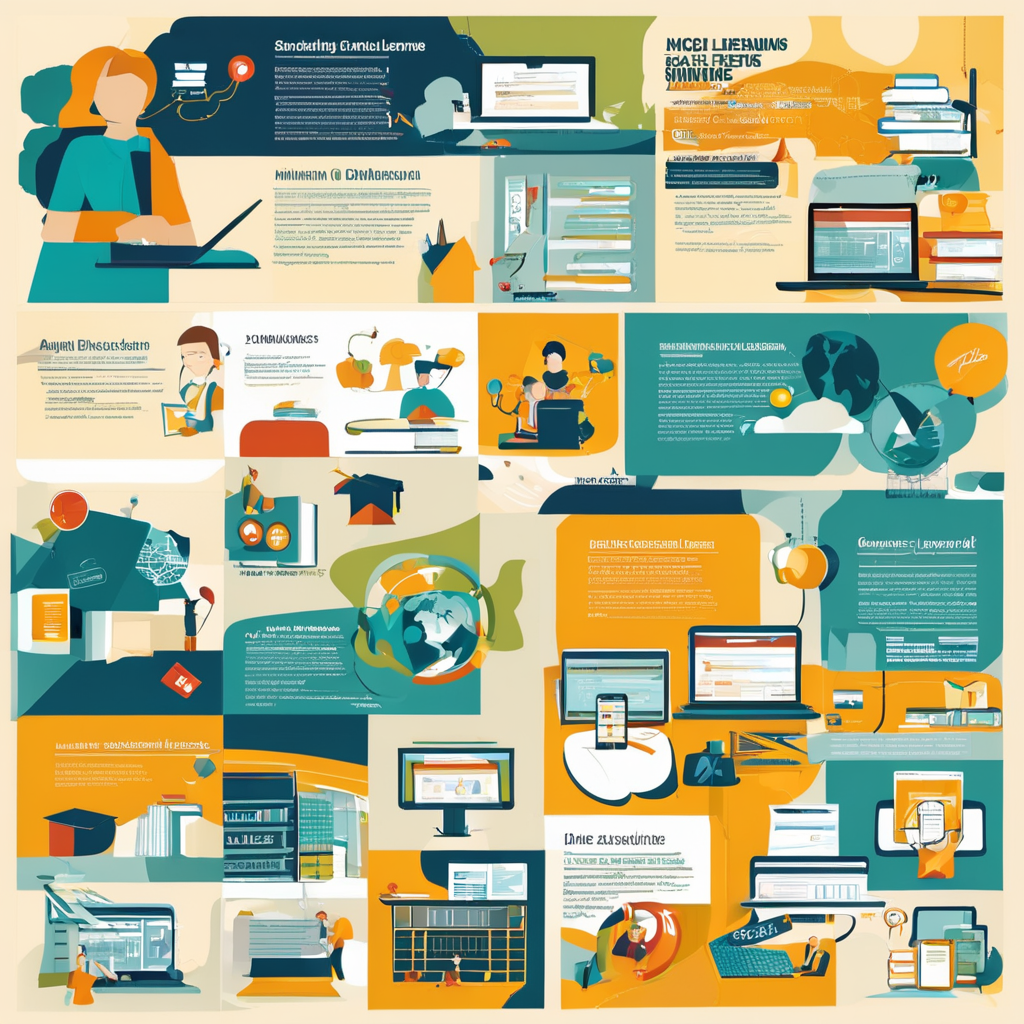
Online and Distance Learning has revolutionized education, offering unprecedented opportunities for students worldwide to access quality learning resources from the comfort of their homes. The digital landscape has transformed traditional educational models, allowing individuals to pursue knowledge and skills with flexibility and convenience. This shift in the educational paradigm has opened doors to a new era of learning, where geographical boundaries no longer limit intellectual exploration.
One of the key benefits of online and distance learning is the flexibility it offers to learners. Students can engage with course materials at their own pace, accommodating work, family, and other commitments without sacrificing their educational goals. This adaptability empowers individuals to tailor their learning experience to suit their unique circumstances, fostering a sense of autonomy and self-direction in their educational journey.
Moreover, online learning provides a diverse range of courses and programs that cater to a wide array of interests and career paths. From academic subjects to vocational training, learners have access to a wealth of resources that align with their passions and aspirations. This diversity not only enriches the educational experience but also equips individuals with the skills and knowledge needed to thrive in a rapidly evolving job market.
In addition to flexibility and diversity, online and distance learning fosters a culture of inclusivity by breaking down barriers to education. Students from marginalized communities, remote areas, or with physical disabilities can now access high-quality learning opportunities that were once out of reach. This inclusivity promotes diversity in educational spaces, enriching the learning environment with a variety of perspectives and experiences.
Furthermore, the interactive nature of online learning platforms enhances student engagement and collaboration. Through virtual classrooms, discussion forums, and multimedia resources, learners can actively participate in their education, interact with peers and instructors, and deepen their understanding of the subject matter. This dynamic exchange of ideas cultivates a sense of community and belonging among students, despite physical distance.
Despite its numerous advantages, online and distance learning also presents challenges that must be addressed to ensure its effectiveness. One such challenge is the need for self-discipline and time management skills. Without the structure of traditional classrooms, students must take responsibility for their learning and stay motivated to complete assignments and meet deadlines.
Another potential drawback of online learning is the lack of face-to-face interaction with instructors and peers. While virtual communication tools facilitate collaboration, some students may miss the personal connection and immediate feedback that comes with in-person interactions. This highlights the importance of creating opportunities for meaningful engagement and building relationships in the digital learning environment.
Moreover, the digital divide poses a significant barrier to equitable access to online education. Not all students have reliable internet connectivity, access to necessary devices, or digital literacy skills to fully engage in online learning. Bridging this gap requires concerted efforts from educational institutions, policymakers, and technology providers to ensure that all learners have equal opportunities to benefit from online education.
In conclusion, online and distance learning has reshaped the landscape of education, offering a transformative learning experience that transcends traditional boundaries. By harnessing the power of digital technology, learners can access a world of knowledge, connect with a global community of peers, and pursue their educational aspirations with flexibility and inclusivity. While challenges exist, the potential for growth and innovation in online education is vast, promising a future where learning knows no limits.