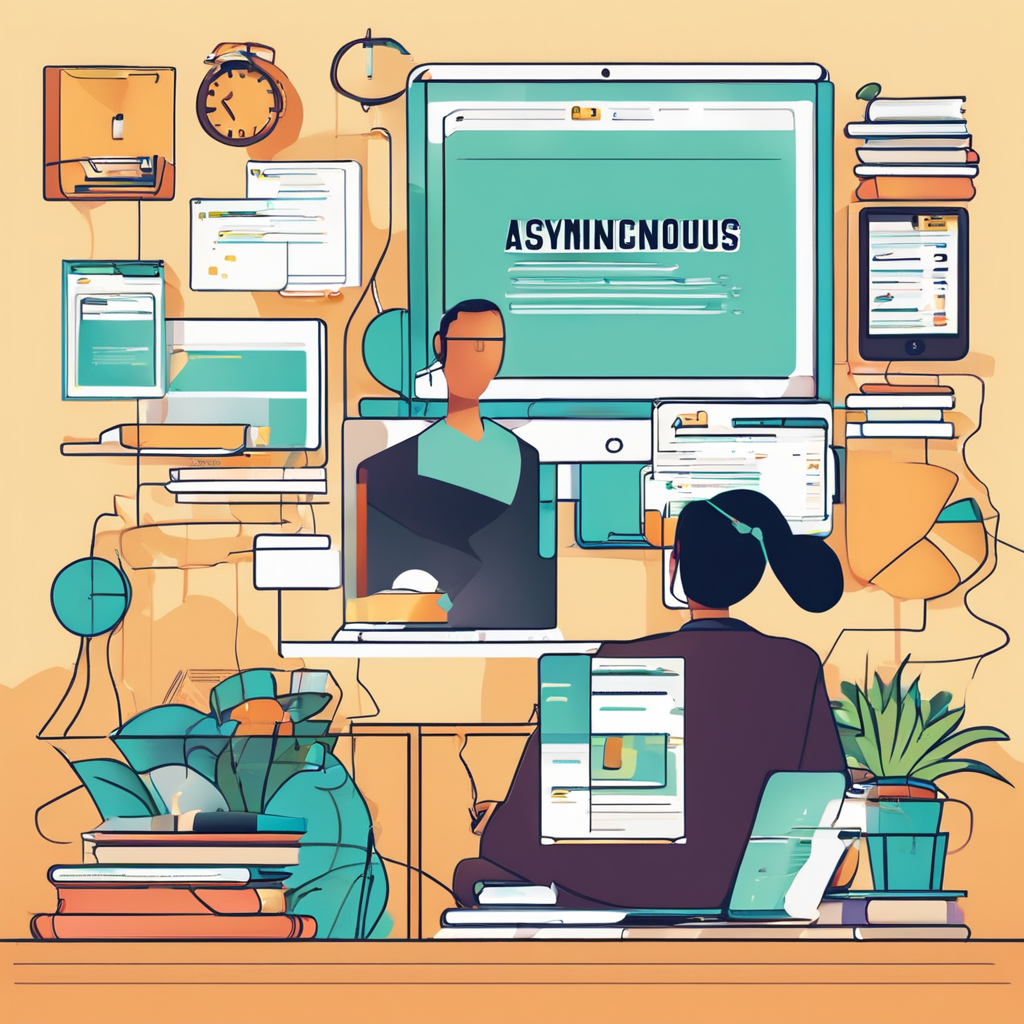
Asynchronous online learning has become a prevalent mode of education in recent years, offering students flexibility and convenience in pursuing their academic goals. This innovative approach to learning allows individuals to access course materials, lectures, and assignments at their own pace and convenience, without the constraints of traditional classroom settings. With the advancement of technology and the widespread availability of internet access, asynchronous online learning has gained popularity across various educational institutions and programs worldwide.
One of the key advantages of asynchronous online learning is its flexibility, enabling students to balance their academic pursuits with other commitments such as work, family, and personal interests. By providing learners with the freedom to engage with course materials at their preferred times, asynchronous online learning empowers individuals to customize their learning experience according to their unique schedules and learning preferences. This flexibility not only enhances accessibility but also promotes self-discipline and time management skills among students.
Moreover, asynchronous online learning fosters a sense of inclusivity and diversity by accommodating learners from different geographical locations, backgrounds, and time zones. Through virtual classrooms and online discussion forums, students have the opportunity to engage with peers and instructors from around the globe, exchanging ideas, perspectives, and experiences in a collaborative learning environment. This cultural exchange enriches the educational experience, broadening students’ horizons and fostering a global perspective in their academic pursuits.
In addition to flexibility and inclusivity, asynchronous online learning offers personalized learning experiences tailored to individual students’ needs and learning styles. With the availability of multimedia resources, interactive learning tools, and self-paced modules, learners can engage with course materials in a way that resonates with their unique preferences and abilities. This personalized approach to learning not only enhances retention and comprehension but also empowers students to take ownership of their educational journey and progress at their own pace.
Furthermore, asynchronous online learning provides opportunities for continuous learning and skill development beyond traditional academic settings. With the proliferation of Massive Open Online Courses (MOOCs) and online learning platforms, individuals can access a diverse range of courses and resources to enhance their knowledge, skills, and expertise in various fields. Whether pursuing professional development, career advancement, or personal enrichment, asynchronous online learning offers a flexible and accessible avenue for lifelong learning.
Despite its numerous benefits, asynchronous online learning also presents challenges and considerations for both students and educators. One of the key challenges is the lack of real-time interaction and immediate feedback, which can impact students’ engagement and motivation. To mitigate this challenge, instructors are encouraged to incorporate interactive elements such as virtual office hours, discussion boards, and peer collaboration activities to foster engagement and communication among students.
Moreover, ensuring the quality and rigor of online courses and assessments is crucial in maintaining the credibility and effectiveness of asynchronous online learning programs. Educators must design robust and engaging course materials, establish clear learning objectives, and provide timely feedback to students to ensure a meaningful and impactful learning experience. By upholding high standards of academic excellence and accountability, institutions can uphold the integrity and reputation of their online learning programs.
In conclusion, asynchronous online learning represents a transformative approach to education that offers flexibility, inclusivity, and personalized learning experiences for students worldwide. By harnessing the power of technology and digital resources, individuals can engage in meaningful and impactful learning experiences that cater to their diverse needs and aspirations. Asynchronous online learning has the potential to revolutionize the way we learn and acquire knowledge, empowering individuals to pursue lifelong learning opportunities and achieve academic success in a rapidly evolving digital age.